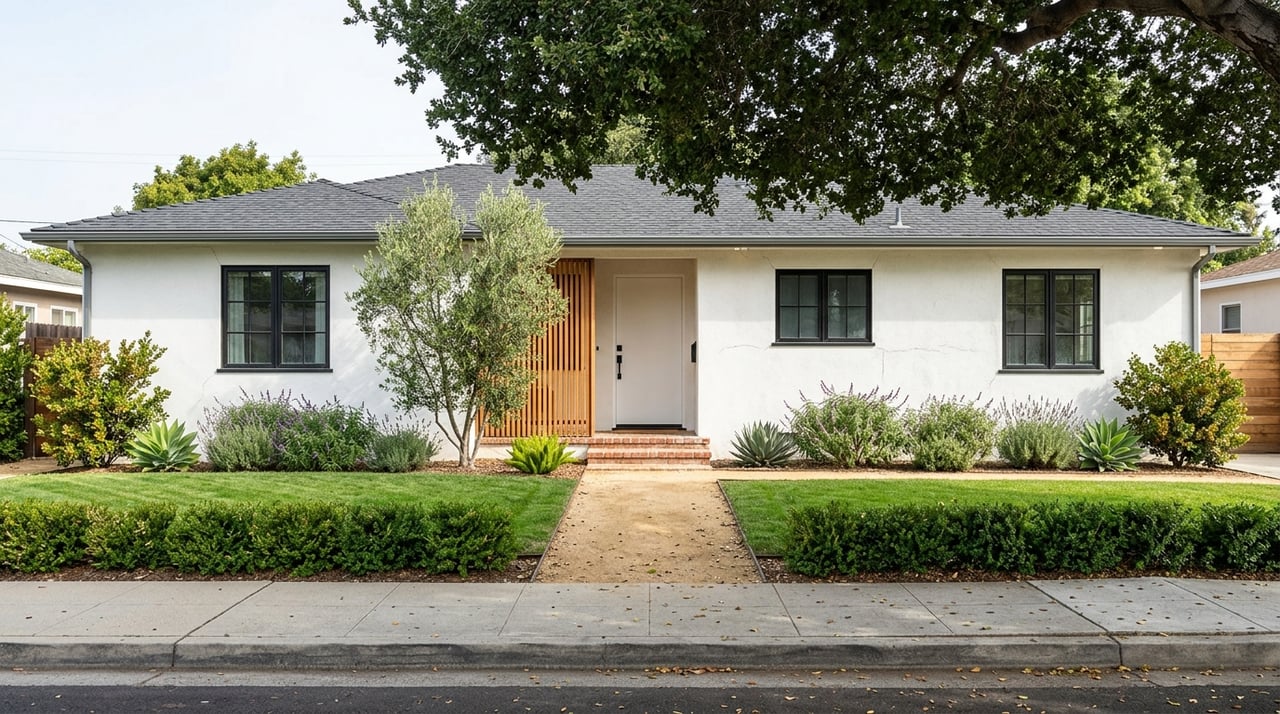
Goleta New Construction vs Resale: What to Consider
May 14, 2026
May 14, 2026
Choosing between a brand-new home and an established neighborhood in Goleta can feel simple at first, until you realize the tradeoffs go well beyond age. You may be weighing price, yard space, commute patterns, HOA structure, and how much updating you want to take on. The good news is that Goleta offers both newer communities and long-standing neighborhoods, each with a very different day-to-day experience. If you want to make a confident move, it helps to understand how these options really compare. Let’s dive in.
Goleta is a compact city of about 8 square miles along US-101, around 10 miles west of Santa Barbara. The city identifies Old Town as its historic center, and its planning documents show that much of Goleta’s future growth is expected in the central area. By contrast, the southwest residential area is focused more on conserving existing neighborhoods, with fewer opportunities for new residential development.
That matters because newer housing in Goleta is not spread evenly across the city. Recent and approved projects such as Heritage Ridge, Village at Los Carneros, Old Town Village, and Hollister Village point to a pattern of newer, often higher-density housing in the Los Carneros and Hollister corridor. In practical terms, many buyers are comparing newer attached or mixed-format communities there with older detached-home neighborhoods in other parts of Goleta.
Price is often the first question, but in Goleta, the answer is not one-size-fits-all. Market sources show a citywide median sale price around $1.3 million in March 2026, while Zillow reported an average home value of about $1.364 million as of March 31, 2026. Realtor.com’s new-construction search showed a median listing price of about $1.197 million.
At the neighborhood level, the split becomes more noticeable, but still not absolute. Redfin reported The Village at Los Carneros at a roughly $1.5 million median sale price in March 2026, while Old Town Goleta was around $958,000. Realtor.com’s Old Town page showed a median home sale price of $999,000.
The key takeaway is simple: newer does not always mean cheaper, and older does not always mean more expensive. Some newer communities can command a premium, while some established areas may come in below the citywide typical value. It is best to use these numbers as directional context rather than exact apples-to-apples comparisons.
If you are comparing new construction with an established neighborhood, the HOA question deserves just as much attention as the purchase price. In California, HOAs are common in subdivisions, planned communities, and condominium buildings. HOA budgets typically cover operating expenses and reserve funds, and regular assessments help pay for day-to-day costs and future repairs.
You also need to factor in the possibility of special assessments. The California Department of Real Estate notes that HOA assessment levels can affect a buyer’s financial qualification. In other words, a lower-maintenance community may come with added monthly costs that shape your budget and borrowing power.
One of the most common misunderstandings is assuming that a newer townhome always works the same way from one project to another. In California, “townhome” describes the architectural style, not the legal ownership structure. The same type of home may be organized as a condominium or as a planned development, and that difference can affect what you actually own and maintain.
Project documents matter. The Department of Real Estate explains that yards, patios, driveways, parking spaces, and balconies may be classified as exclusive-use common area rather than fully deeded private space. So if outdoor space or control over exterior areas is important to you, it is worth reviewing the documents carefully instead of relying on the floor plan alone.
Older single-family neighborhoods in Goleta are often appealing for a different reason: they may offer more of the traditional lot-based living many buyers want. Based on the city’s planning framework and California subdivision rules, established detached-home areas are more likely to have larger private yards than newer attached communities. That can be a major plus if you want more room outside or simply prefer a home that feels less shared.
Still, older does not automatically mean there is no HOA or no restrictions. Some standard subdivisions can have CC&Rs even without a formal HOA. The practical difference is usually about who handles the exterior, common area, and long-term maintenance, you or an association.
For many buyers, the biggest daily-living question is not price alone. It is how you want your home to function. Newer Goleta communities often trade larger private yards for lower-maintenance living and shared or smaller outdoor areas.
That tradeoff can work well if you want a lock-and-leave setup, less exterior upkeep, or a more streamlined lifestyle. On the other hand, established neighborhoods may be a better fit if private outdoor space ranks high on your list. Neither option is better across the board. It depends on how you want to spend your time and what kind of home rhythm feels right for you.
When it comes to energy performance, newer homes generally have the edge. The California Energy Commission says the 2022 Energy Code requires solar photovoltaic systems for newly constructed single-family homes and includes electric-ready, ventilation, and solar or battery-related requirements. The 2025 Energy Code took effect on January 1, 2026, continuing that push toward more efficient new housing.
Goleta is also updating local reach codes and adopted an EV reach code effective in March 2026. The city is offering home-electrification support, including heat-pump permit-fee waivers and utility rebates. In practical terms, a newer home is more likely to be ready for solar, EV charging, and heat-pump systems from day one.
That does not mean an older home cannot perform well. It means you may need upgrades to reach a similar level of efficiency. This is where construction knowledge can really help, because the cost and scope of improvements can vary widely from one property to the next.
In Goleta, commute and access are less about choosing new versus old and more about choosing the right micro-location. The city’s transportation planning focuses on safe, efficient, multimodal travel, with attention on better north-south connections across US-101 and reducing reliance on auto travel during peak periods. UCSB and the Santa Barbara Airport also sit right next to the city boundary, which shapes travel patterns across the area.
Santa Barbara MTD serves Goleta with routes connecting the Transit Center, Downtown Goleta, Hollister, Storke, Camino Real Marketplace, UCSB, and the Airport. Corridor planning repeatedly highlights Hollister, Fairview, and Storke as key access routes. That means homes near the 101, Hollister, Storke, Fairview, UCSB, or Old Town can feel very different at peak hours than homes farther from those corridors.
If your schedule is tight, this is worth testing in real time. A home that looks ideal on paper may feel different once you factor in school runs, airport access, or your regular drive across town.
The best choice usually comes down to the kind of tradeoff you are most comfortable making. New construction in Goleta often means a more formal HOA structure, stronger energy and EV readiness, and a lower-maintenance setup, but it may also mean smaller or more shared outdoor space. Established neighborhoods more often offer detached homes, older character, and potentially larger private yards.
A smart way to compare options is to focus on the questions that shape your daily life and long-term costs:
On paper, two homes can seem similar. In practice, one may come with exclusive-use outdoor space, a more active HOA, easier airport access, or a better fit for future upgrades. Those details can have a big impact on your costs and quality of life.
That is why local context matters so much in Goleta. If you are comparing new construction and established neighborhoods, it helps to look beyond marketing language and focus on ownership structure, maintenance responsibilities, commute patterns, and the real condition of the property. A clear, local read on those factors can save you time and help you make a more confident decision.
If you are weighing your options in Goleta and want practical guidance on neighborhoods, property condition, and the tradeoffs between newer and established homes, reach out to Caleb Overton. You will get local insight, straightforward advice, and support tailored to your goals.
Stay up to date on the latest real estate trends.

Etiam non quam lacus suspendisse faucibus interdum. Orci ac auctor augue mauris augue neque. Bibendum at varius vel pharetra. Viverra orci sagittis eu volutpat.