Goleta vs Santa Barbara Home Value: What Buyers Get
July 23, 2026
July 23, 2026
If you are torn between Goleta and in-town Santa Barbara, you are not alone. Many buyers start with a simple question about price or commute, then realize the real choice is about how you want to live day to day. This guide will help you compare what Goleta buyers typically get versus what in-town Santa Barbara offers, so you can focus on the tradeoffs that actually matter. Let’s dive in.
At the highest level, Goleta and in-town Santa Barbara usually appeal to different priorities. Goleta is often the more space-forward option, with a suburban-coastal layout that blends single-family homes, apartments, open space, shopping centers, farms, and Old Town within a compact city.
Santa Barbara proper is much more built out, with established neighborhoods and relatively few vacant parcels. For you as a buyer, that often means Goleta gives you a better chance at practical square footage, yard space, and easier day-to-day functionality, while in-town Santa Barbara offers more centrality, historic character, and neighborhood variety.
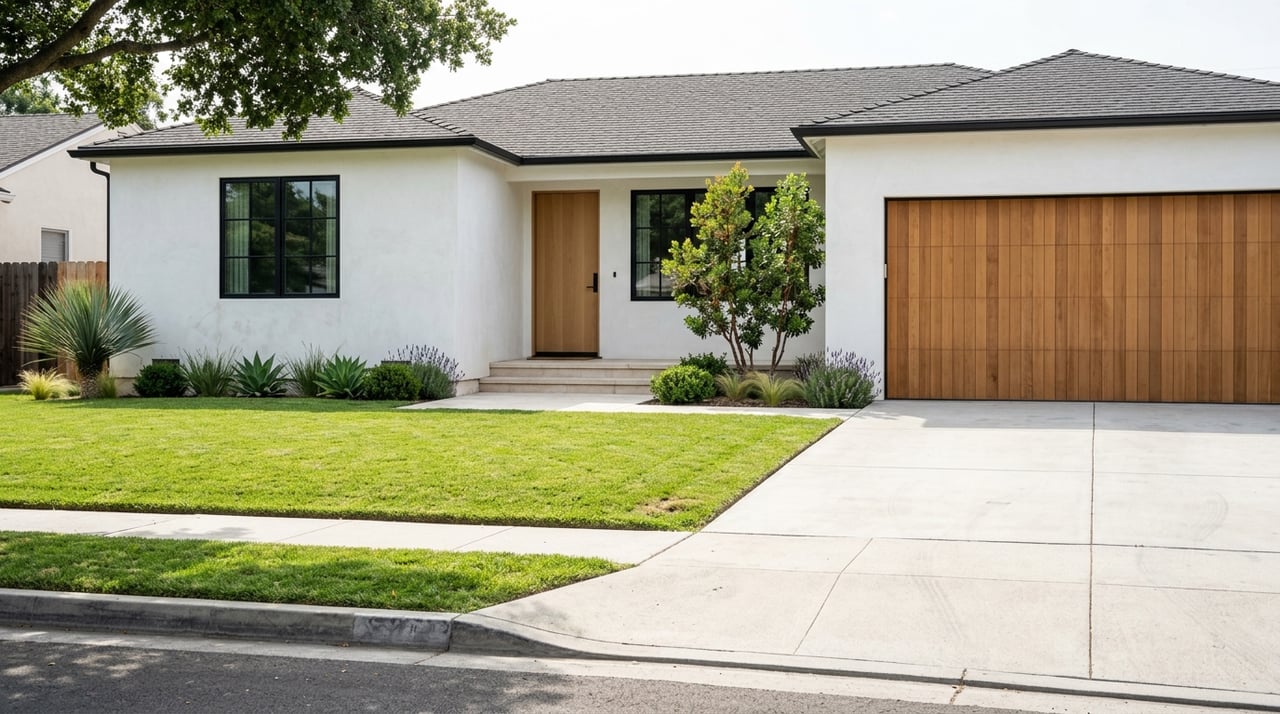
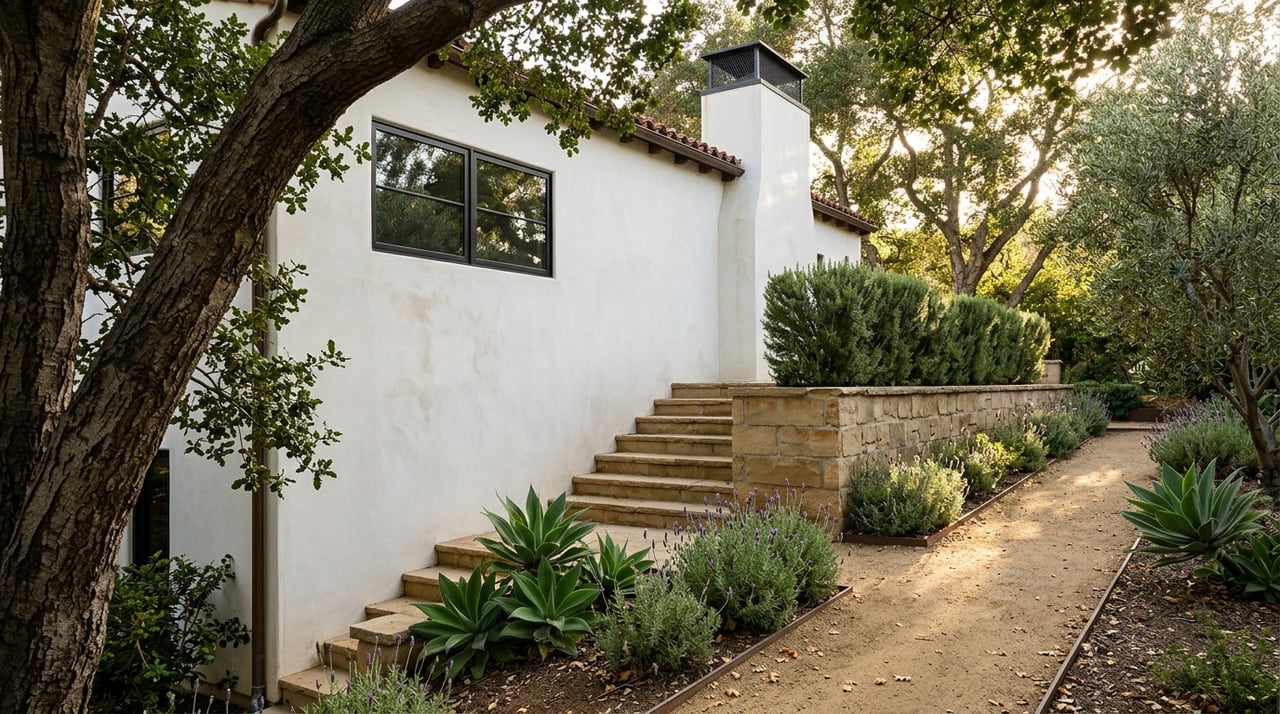
Goleta’s visual character is shaped by open space, established low-density neighborhoods, and small-scale development. That tends to create a more straightforward residential feel, where homes, streets, and neighborhood layouts were designed with parking, driveways, and yard use in mind.
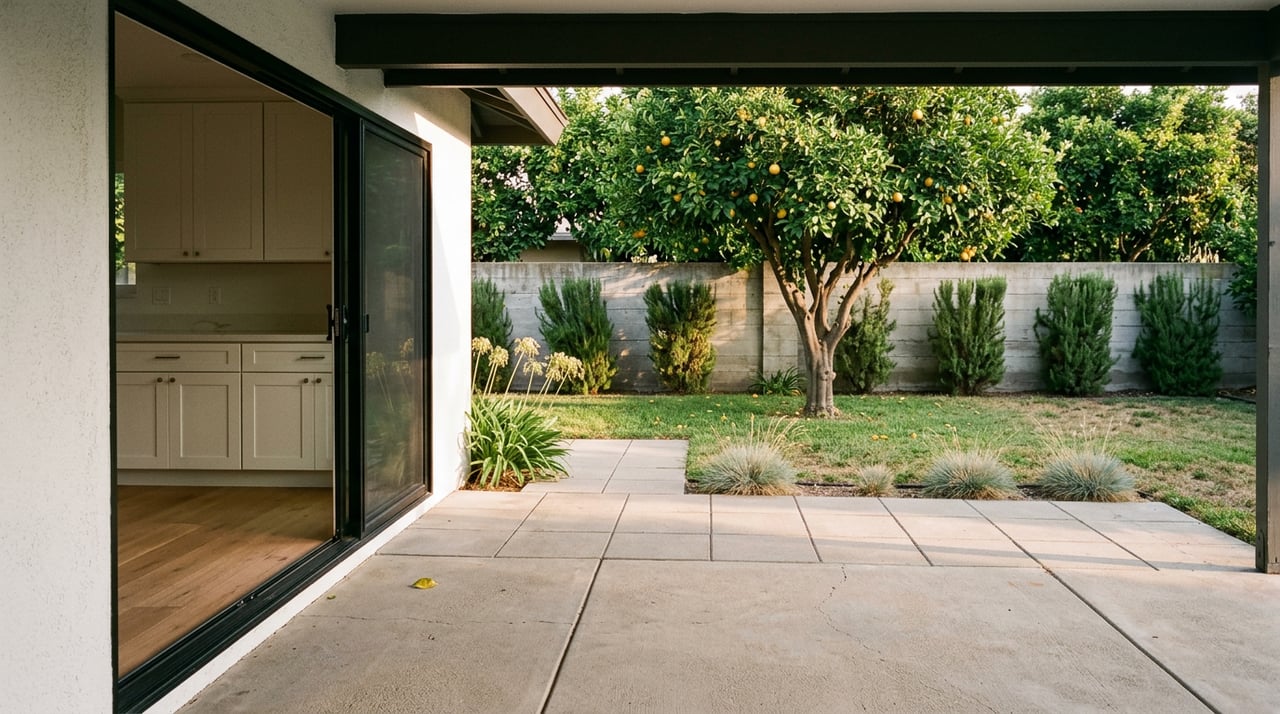
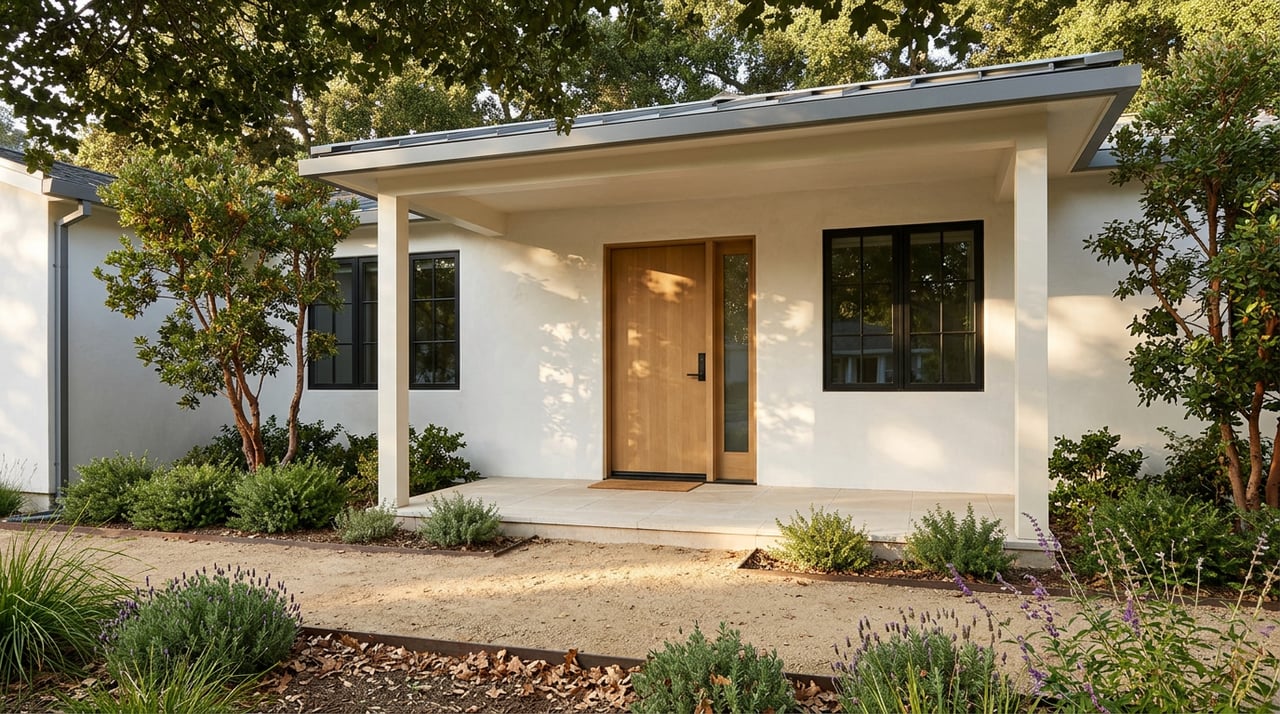
In practical terms, you are more likely to see tract-style homes, later-era subdivisions, townhomes, and residential patterns where usable outdoor space is part of the original plan. If your wish list includes room to spread out, simpler parking, and a less compressed layout, Goleta often checks those boxes.
Goleta is not all one thing, though. Old Town Goleta is recognized as the historic center of the Goleta Valley, and the city’s planning framework aims to strengthen that area while preserving community character. So while many buyers associate Goleta with suburban ease, there are still pockets with a more established and distinct feel.
In-town Santa Barbara is not a single housing type or lifestyle. The city has 32 residential neighborhoods organized into three planning areas, which means your experience can vary a lot depending on where you focus your search.
Downtown is the city’s most intensively used area, with a mix of retail, office, historic features, restaurants, cultural arts, and residential uses. Other neighborhoods tell a very different story. East San Roque is described as a fully built-out single-family neighborhood, while the Lower Riviera reflects hillside conditions that shaped its streets and lots.
That variety is part of Santa Barbara’s appeal. If you want historic surroundings, a more urban daily routine, or a neighborhood with a distinct visual identity, in-town Santa Barbara usually offers more of that than Goleta.
This is often the real decision point. In Goleta, the tradeoff usually leans toward more functional space and a lower-density setting. In Santa Barbara proper, the tradeoff more often leans toward being closer to the city’s historic core, downtown energy, and iconic coastal areas.
If you picture weekend projects in the yard, easier grocery runs, and a home layout that feels practical for daily life, Goleta may feel like the stronger fit. If you picture a more central location with a wider mix of neighborhood experiences, Santa Barbara proper may be worth the smaller footprint or more constrained lot.
Goleta often feels more consistent from one residential pocket to the next. Its planning approach emphasizes compatibility with surrounding development, and that can translate into neighborhoods that feel orderly, flatter, and easier to navigate.
Santa Barbara proper is more varied. One area may have low-density single-family streets, while another may have mixed-use blocks or hillside lots with a completely different rhythm. That variation can be a huge advantage if you want character and options, but it also means you should compare neighborhoods carefully rather than rely on the city name alone.
Goleta sits next to UCSB and the Santa Barbara Airport, and the city describes its neighborhoods as combining quiet streets with smooth-flowing freeways. A current project is also creating a direct pedestrian and bicycle connection across Highway 101 linking Old Town Goleta to Goleta Beach Park, UCSB, and the City of Santa Barbara.
For many buyers, that adds up to a place that feels more corridor-oriented and easier to manage by car. Parking is often part of the original neighborhood pattern, and the flatter layout can make day-to-day movement feel simpler.
Santa Barbara’s core works differently. The city uses residential permit parking in mixed-use areas and supports cycling with its Bicycle Master Plan, which points to a more parking-managed and walkable urban environment.
If you want your home life to feel a little less fussy behind the wheel, Goleta may have the edge. If you want to be in a place where walking and biking play a bigger role in daily life, in-town Santa Barbara may feel more aligned with your routine.
Goleta’s lifestyle is built around practical convenience and outdoor access. The city says it has roughly 550 acres of parks and open space, along with a busy Old Town commercial district, farmers markets, shopping centers, and a broader beach and open-space network.
That mix often appeals to buyers who want a routine-friendly lifestyle. You can prioritize parks, errands, neighborhood services, and outdoor time without needing the visual intensity or tighter urban pattern of central Santa Barbara.
Santa Barbara proper offers a more concentrated coastal and historic experience. The city highlights four miles of beaches, including East Beach, West Beach, Leadbetter Beach, Shoreline Park, and Mesa access points, while Downtown and El Pueblo Viejo anchor the strongest historic and cultural core.
If your ideal day includes beach access, a more iconic city setting, and a stronger sense of destination, Santa Barbara proper may feel more rewarding. If you want a lifestyle that feels easy to manage and grounded in practical access, Goleta often stands out.
One of the biggest mistakes buyers make is comparing Goleta to “Santa Barbara” as if each is one uniform experience. They are not. In-town Santa Barbara alone includes very different submarkets, from Downtown to San Roque to the Riviera to the Mesa.
Goleta also deserves a more nuanced look. Old Town Goleta and western Goleta can offer a different feel when it comes to housing pattern, convenience, and neighborhood character.
That means your search should focus less on broad labels and more on the exact kind of daily life you want. Two homes with similar price points can deliver very different experiences depending on layout, lot, parking, access, and surrounding neighborhood form.
Goleta is often the better starting point if your top priorities include:
For many move-up buyers, these features matter more over time than a more central address. If you are planning for daily livability first, Goleta often gives you more of what you actually use.
Santa Barbara proper is often the better starting point if you care most about:
If your lifestyle goals are tied to centrality and setting, Santa Barbara proper may justify the tradeoffs in lot size, parking ease, or overall space.
The best way to compare Goleta and in-town Santa Barbara is to move beyond the headline differences. Instead of asking which city is better, ask which tradeoff fits your life best.
A smart comparison usually includes:
This is also where local guidance matters. When you look at homes through the lens of layout, lot use, condition, and long-term livability, the right fit becomes much clearer.
If you want help comparing Goleta to in-town Santa Barbara at the neighborhood level, Caleb Overton can help you evaluate the tradeoffs clearly and focus your search on the areas that match how you actually want to live.
Stay up to date on the latest real estate trends.

Etiam non quam lacus suspendisse faucibus interdum. Orci ac auctor augue mauris augue neque. Bibendum at varius vel pharetra. Viverra orci sagittis eu volutpat.