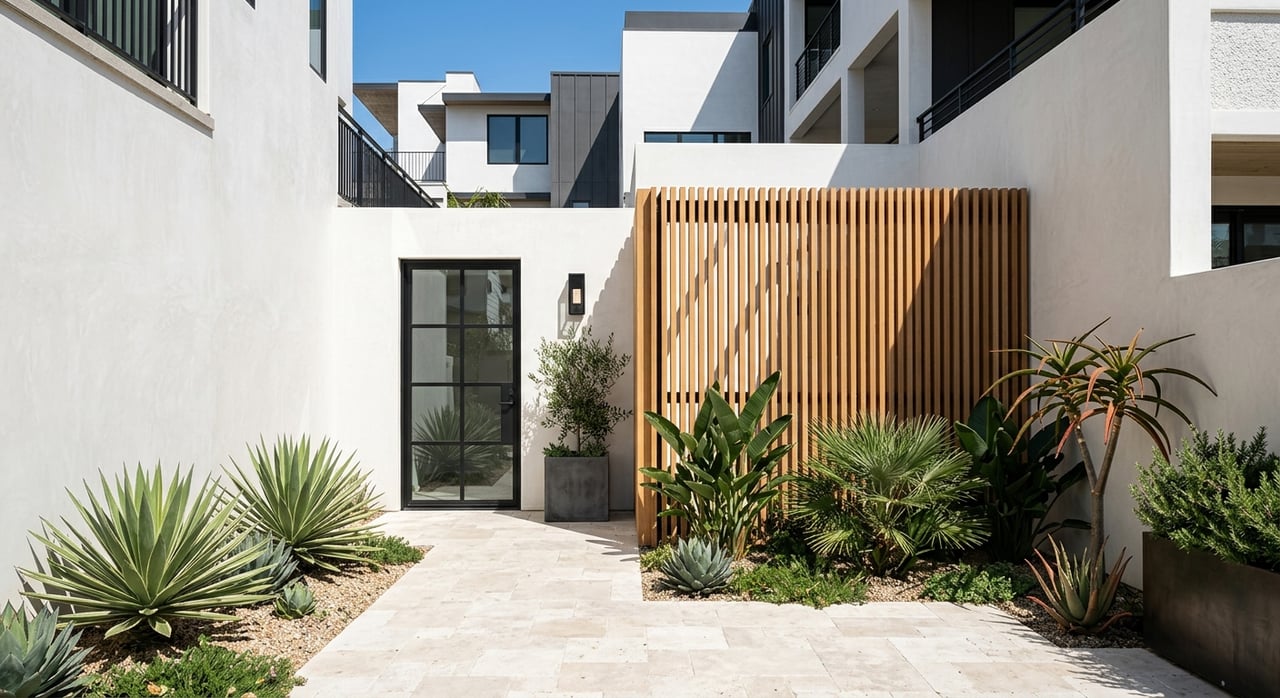
Carpinteria Summerland Condos vs Homes: Which Is Better?
June 4, 2026
June 4, 2026
Wondering whether a beach cottage or a condo makes more sense in Carpinteria or Summerland? It is a smart question, because these two property types can deliver very different ownership experiences even when they are both close to the coast. If you are weighing privacy, maintenance, parking, outdoor space, and long-term flexibility, this guide will help you compare the tradeoffs with more clarity. Let’s dive in.
Carpinteria and Summerland may sit along the same beautiful stretch of Santa Barbara County coastline, but they do not function exactly the same way. Carpinteria is an incorporated coastal city with a beach-centered layout, and the Pacific Ocean forms its southern border. The city highlights destinations like City Beach at Linden Avenue, State Beach Park at Palm Avenue, and Rincon Beach Park at Bates Road.
Summerland is different in structure. It is a county-governed community rather than an incorporated city, and Santa Barbara County guides future development there through its community and area planning framework. For buyers, that means the local setting and development pattern can feel distinct even though the lifestyle appeal is similarly coastal.
Market context also matters when you compare your options. Over the three months ending April 2026, Carpinteria posted a median sale price of $1,207,876, while Summerland posted a median sale price of $13,947,798. That Summerland figure should be read cautiously because only two homes sold in April 2026, but it still shows how different the price ladder can look between these nearby coastal markets.
Before you compare lifestyle, it helps to understand that a condo in California is not just a building style. It is a legal form of ownership within a common interest development. When you buy a condo, you also become a member of the homeowners association.
That ownership structure changes how space, maintenance, and decision-making work. A condo owner typically holds an undivided interest in common area, while spaces like patios, balconies, driveways, and parking may be classified as exclusive-use common area instead of fully private lot area. A beach cottage, by contrast, is more likely to give you direct control over the structure and the land around it.
In simple terms, a cottage often gives you more independence. A condo often gives you more shared rules and shared responsibilities. Neither is automatically better, but each fits a different kind of buyer.
If your top priorities are privacy, separation from neighbors, and a stronger sense of having your own coastal retreat, a beach cottage may feel like the better fit. A detached home usually offers more direct control over the exterior, the yard, and how you use your outdoor areas. That can matter a lot when you picture long weekends, entertaining, or simply storing surfboards, bikes, and beach gear.
Outdoor space is often the biggest day-to-day difference. A cottage is more likely to offer a private yard, garden, or detached patio setup. That can make the home feel more relaxed and more flexible, especially if you want a true indoor-outdoor lifestyle near the beach.
A cottage can also appeal to buyers who want room to personalize over time. Caleb Overton’s construction and remodeling background can be especially valuable here, because understanding condition, maintenance needs, and renovation potential is a big part of evaluating detached coastal property.
If you want a coastal home with less hands-on exterior responsibility, a condo may be the better path. In California common interest developments, the association is generally responsible for repair and replacement of common area, while the owner is generally responsible for maintaining exclusive-use common area unless the governing documents say otherwise.
That split can reduce some maintenance burden, but it does not remove it entirely. A condo may still involve balcony, patio, parking, or rule-related responsibilities that surprise buyers who assume it is fully low-maintenance. The real benefit is usually convenience, not total freedom from upkeep.
For some buyers, that tradeoff is worth it. If your goal is easier lock-and-leave ownership for weekend use or a more streamlined primary residence, a condo can be very appealing.
Near the coast, parking is not a small detail. It can shape how easy the property is to use on a normal Friday arrival, a busy summer weekend, or a holiday with guests. In Carpinteria especially, this is a practical issue worth thinking through before you buy.
The City of Carpinteria manages parking in its downtown and beach areas and notes that it is one of only a few California beach communities with free public parking. Still, those parking resources are limited and carefully managed. A city parking study based on August 2019 data found about 883 public downtown spaces, 65% peak occupancy, and more than 300 spaces still available even during a busy summer lunchtime peak.
That sounds encouraging, but rules still matter. Key streets like Linden Avenue and Carpinteria Avenue have 90-minute limits in some areas, and the city prohibits reserving public spaces with cones, overnight camping in vehicles on public streets or lots, and parking trailers, campers, boats, or similar vehicles in the front yard except for narrow emergency situations. Vehicles left on the street for more than 72 hours can also be ticketed or towed.
For buyers, the takeaway is simple: do not just ask how close a property is to the beach. Ask how easy it is to arrive, unload, host guests, and store the gear that comes with coastal living. A cottage with better on-site parking may feel more convenient than a condo that is physically closer to the sand.
If you are leaning toward a condo, your review process should go beyond finishes and floor plan. The California Department of Real Estate says buyers should review the governing documents, including the CC&Rs, rules, budget, and reserve information. These materials explain what the association can regulate, what members must do, and how the community plans for future repair costs.
Reserve planning is especially important. California law requires a reasonably competent visual inspection of major common components at least every three years for reserve study purposes in qualifying associations. That does not guarantee no surprises, but it does give you useful insight into how the association prepares for long-term maintenance.
Parking should also be verified in writing. In some California condo projects, a parking space may be deeded, assigned, first-come, or treated as exclusive-use common area under the governing documents. If parking convenience matters to you, confirm the exact legal setup before you get too far into the transaction.
Some buyers are thinking about personal use now and rental options later. If that sounds like you, read the lease and rental sections of the governing documents carefully. California Civil Code limits HOA provisions that prohibit or unreasonably restrict leasing of a separate interest, but associations can still impose meaningful rental policies.
That means you should not assume every condo offers the same flexibility. Rules about lease terms, occupancy standards, or approval procedures can affect how useful the property is to you in the future. A cottage and a condo may each support different long-term plans, so clarity here matters.
If you are stuck between a beach cottage and a condo, start with how you plan to use the property instead of chasing a label. The right answer often becomes clearer when you think through your real habits, not just the dream version of coastal living.
Ask yourself:
A cottage often fits buyers who value autonomy, outdoor space, and a more classic detached-home experience. A condo often fits buyers who want a simpler ownership structure day to day, as long as they are comfortable with association rules and shared governance.
This is one of those decisions where local knowledge really matters. In a coastal market like Carpinteria and Summerland, small details such as parking setup, outdoor use, maintenance responsibilities, and ownership structure can have a big impact on how happy you are after closing.
It also helps to have an advisor who can look beyond the listing photos. Caleb Overton brings local Santa Barbara market knowledge together with hands-on construction and remodeling insight, which can be especially useful when you are comparing a detached cottage’s condition and potential against the convenience and constraints of condo ownership.
If you are deciding between a beach cottage or condo in Carpinteria or Summerland, a thoughtful side-by-side review can save you time, stress, and costly assumptions. When you are ready to talk through the tradeoffs, connect with Caleb Overton for clear, local guidance.
Stay up to date on the latest real estate trends.

Etiam non quam lacus suspendisse faucibus interdum. Orci ac auctor augue mauris augue neque. Bibendum at varius vel pharetra. Viverra orci sagittis eu volutpat.