If your San Roque cottage sits on a raised wood foundation, an earthquake can turn small weaknesses into costly damage. You want to keep your home safe, protect your investment, and avoid surprises when it is time to sell. This guide explains seismic retrofit basics for older Santa Barbara homes in plain English so you can budget, plan permits, and hire the right team with confidence. Let’s dive in.
Why retrofit in San Roque
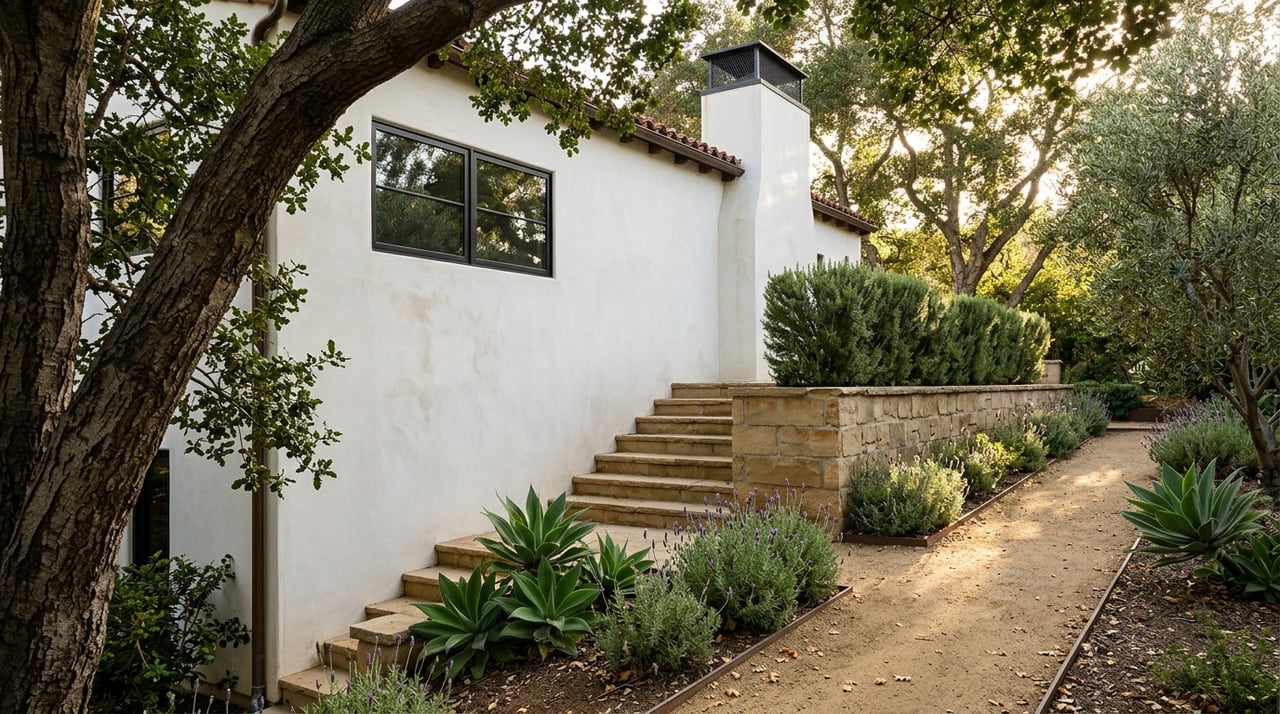
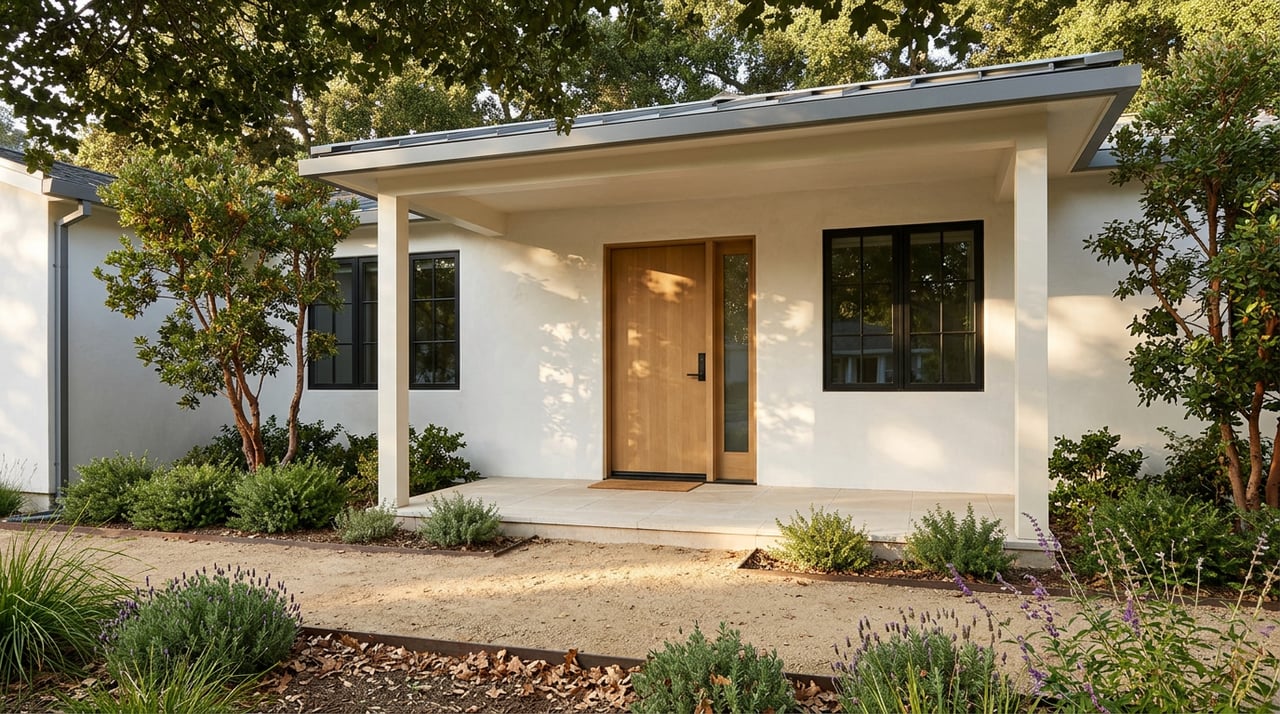
San Roque has many early‑20th‑century bungalows and cottages with raised wood floors and crawlspaces. Many predate modern codes for anchoring and bracing. Common vulnerabilities include unbolted sill plates, short unbraced cripple walls, and missing or weak shear panels. During shaking, these weak points can let the house shift or slide off the foundation.
A retrofit reduces the chance of major structural damage and can improve occupant safety. For a quick primer on earthquake risk in our region, review the USGS Earthquake Hazards Program overview. Local conditions matter too. For site‑specific context like mapped faults or liquefaction zones, check the California Geological Survey’s Earthquake Hazard Zone application or consult a licensed engineer.
Core retrofit components and costs
Below are the most common upgrades for older San Roque homes. Use the cost ranges as planning ballparks only. Final pricing depends on your foundation type, crawlspace access, utilities, and any rot or termite repairs discovered during work.
Cripple‑wall bracing
- What it is: Adding plywood or OSB panels, new nailing, and proper connections to short framed walls between the foundation and the first floor.
- Why it matters: Unbraced cripple walls can buckle and allow the home to slide in an earthquake.
- Typical disruption: Work happens in the crawlspace. Some finishes may be removed temporarily if panels go on interior or exterior faces.
- Typical cost: $3,000–$10,000+ for a single‑family bungalow, depending on layout and repairs.
Foundation bolting and anchor plates
- What it is: Installing bolts or mechanical anchors to fasten the sill plate to the concrete foundation, often with anchor plates and large washers.
- Why it matters: Keeps the structure tied to the foundation during lateral shaking.
- Typical disruption: Drilling through concrete and work in the crawlspace. If sills are damaged, temporary shoring and replacement may be needed.
- Typical cost: $1,000–$6,000+ depending on bolt count, concrete work, and sill condition.
Shear panels on full‑height walls
- What it is: Plywood or OSB panels placed on certain interior or exterior walls to provide lateral resistance. Steel connectors and hold‑downs may also be specified.
- Why it matters: Supplies the lateral strength the building needs, especially where openings or irregularities exist.
- Typical disruption: Interior drywall or finishes may be removed. Exterior siding may be taken off and reinstalled.
- Typical cost contribution: Varies widely. Can add a few thousand to tens of thousands based on location and extent.
Hold‑downs, straps, blocking, and nailing
- What they are: The hardware and connection details that tie the system together, including hold‑downs at panel ends, metal straps, solid blocking, and specified nail spacing.
- Why they matter: They ensure forces transfer correctly, preventing brittle failures at connections.
- Typical cost: Usually part of the bracing and bolting package, adding hardware and labor.
Soft‑story conditions
- What it is: A weak or open first story, often where a garage sits under living space.
- Why it matters: Large openings reduce stiffness and can concentrate damage in earthquakes.
- Typical cost: Higher than simple bracing work. For a single house with a garage, expect several thousand to tens of thousands depending on scope.
Common issues discovered during retrofit
- Rot or termite damage to sill plates or studs that must be repaired before new hardware can be installed.
- Plumbing, ducting, or HVAC equipment in the crawlspace that obstructs work and adds time.
- Tight or low crawlspace clearance and steep lots that increase labor.
For a refresher on why bracing and bolting work, see FEMA’s homeowner guidance in Earthquake Safety at Home.
When to consider a retrofit
You do not need to wait for a major remodel to act. Use these red flags and timing cues to decide when to move forward.
- House age and type: If your home was built before the mid‑1970s and has a raised wood floor over a crawlspace, a retrofit is commonly recommended.
- Visual clues: Look for a visible gap between the sill plate and foundation, no anchor bolts at the sill, short cripple walls without plywood panels, or signs of rot or termite damage.
- During other work: When pulling permits for additions, foundation repair, or structural remodels, the City may require code upgrades. It can be efficient to add seismic work at the same time.
- Occupancy and value: If you want to age in place, improve safety, support resale, or address insurability, a retrofit is a smart upgrade.
- Site hazards: Proximity to mapped faults, steep slopes, or liquefaction‑susceptible soils increases the benefit. Check the California Geological Survey mapping app or consult an engineer.
How permitting works in Santa Barbara
San Roque addresses fall within the City of Santa Barbara. Structural retrofit work requires a building permit from the City’s Building & Safety Division. If your home is designated historic or in a sensitive area, design review may also apply.
Typical step‑by‑step process
- Initial assessment: A licensed structural engineer or experienced contractor visits to identify vulnerabilities and recommend scope. Expect a short written summary.
- Engineering and drawings: The engineer prepares a plan set with calculations. It will show anchor schedules, panel layouts, hold‑downs, and any foundation details required for permit submittal.
- Permit application: Submit the plans and application to City Building & Safety. If the home is subject to historic review, staff may route your project to the Architectural Board of Review or the Historic Landmarks Commission.
- Plan check and revisions: City reviewers may request clarifications, added structural notes, hardware callouts, or historic review comments.
- Permit issuance: Once plan check clears, pay fees and pull the permit.
- Construction: The contractor performs the retrofit. Typical inspections include pre‑pour (if concrete work), foundation bolting, framing or panel installation, and final.
- Final sign‑off: The City inspector issues final approval.
Timeline expectations
Plan check can take a few weeks to a couple of months depending on workload. Construction for a modest bracing and bolting scope often takes a few days to several weeks. Larger soft‑story or foundation projects take longer. Ask your team for current City timelines and inspection scheduling tips.
Budgeting and bids
A clear scope and solid bids will save you time and surprises.
- Start with engineering: Fees typically range from a few hundred to several thousand dollars based on complexity. The engineer’s drawings set the standard for apples‑to‑apples bids.
- Get 2 to 3 itemized bids: Each bid should reference the engineer’s plan sheets and list hardware counts, panel areas, bolt spacing, hold‑downs, and whether pest repair, permits, and inspections are included.
- Plan for contingencies: Set aside 10 to 20 percent for hidden conditions like rot, extra anchors, or utility relocations.
- Typical budgets: Limited‑scope bracing and bolting for a bungalow often lands in the low to mid thousands. More extensive work that includes significant foundation repair, many shear panels, or soft‑story upgrades can reach tens of thousands.
Financing and incentives
- Common options: Cash, refinance, HELOC, or a personal loan.
- Programs to check: Availability changes. Review the California Earthquake Authority for homeowner resources and historical grant program updates, and confirm any current City or County incentives.
- Taxes: Ask your tax professional about any potential deductions or credits.
Choosing your team
The right team is a licensed structural engineer plus a licensed contractor with seismic retrofit experience. Here is what to ask and verify.
Structural engineer
- Ask: Have you designed retrofits for raised‑wood cottages in Santa Barbara? Will you provide permit‑ready drawings and calculations? Do you offer site visits during construction?
- Verify: California PE license number, local references, and sample plan sets.
Contractor
- Ask: How many seismic retrofits have you completed? Do you provide a written scope, schedule, and warranty? Are permits and inspections included? Who handles rot or termite repairs if uncovered?
- Verify: California contractor license, liability insurance, worker’s comp, and itemized bids tied to the engineer’s plans.
Historic review experience
If your home is subject to architectural or historic review, confirm your team can prepare the materials and coordinate with City staff.
A simple checklist before you start
- Confirm your property is within City of Santa Barbara jurisdiction and not in the County.
- Hire a California‑licensed structural engineer for evaluation and permit drawings.
- Check if historic or design review applies to visible exterior changes.
- Get written contractor bids tied to the engineer’s drawings.
- Budget for engineering, permit fees, labor and materials, plus a 10 to 20 percent contingency.
- Ask about crawlspace access, utility obstructions, and pest repair protocols.
- Plan for inspections: bolting, framing or panel installation, and final sign‑off.
Resale and insurance considerations
Most retrofit work happens in crawlspaces and behind walls, so it usually does not alter your home’s look. Documenting a permitted retrofit can support buyer confidence at resale and may help with insurability. Some insurers view retrofitted homes more favorably, but policies vary. Check with your carrier about potential benefits and documentation they require.
Ready to evaluate your San Roque home or position a sale with a clear retrofit plan? Reach out for local guidance and contractor referrals. If you are buying, we can help you spot red flags and budget upgrades. Start the conversation with Caleb Overton.
FAQs
What is a seismic retrofit for a raised‑wood San Roque bungalow?
- A retrofit adds foundation anchors, braces short cripple walls with plywood or OSB, and ties connections together with hold‑downs, straps, and specified nailing to help the house stay on its foundation during shaking.
How much does a basic brace‑and‑bolt retrofit cost in Santa Barbara?
- A limited‑scope retrofit for a single‑family bungalow often falls in the low to mid thousands, with cripple‑wall bracing at roughly $3,000–$10,000+ and bolting at $1,000–$6,000+, depending on scope and conditions.
Do I need a building permit for seismic retrofit work in the City of Santa Barbara?
- Yes. Structural retrofits generally require a building permit, and visible exterior changes may also need design or historic review.
How long does a typical retrofit take from start to finish?
- Plan check can take a few weeks to a couple of months, while construction for modest bracing and bolting often takes a few days to several weeks.
Will seismic retrofitting change the way my San Roque home looks?
- Most work is in the crawlspace or behind walls, so it is not visible. Exterior siding or porch repairs may be needed in some cases and can trigger design review.
How do I check earthquake hazards for my specific Santa Barbara address?
Are there grants or programs to help pay for bracing and bolting?