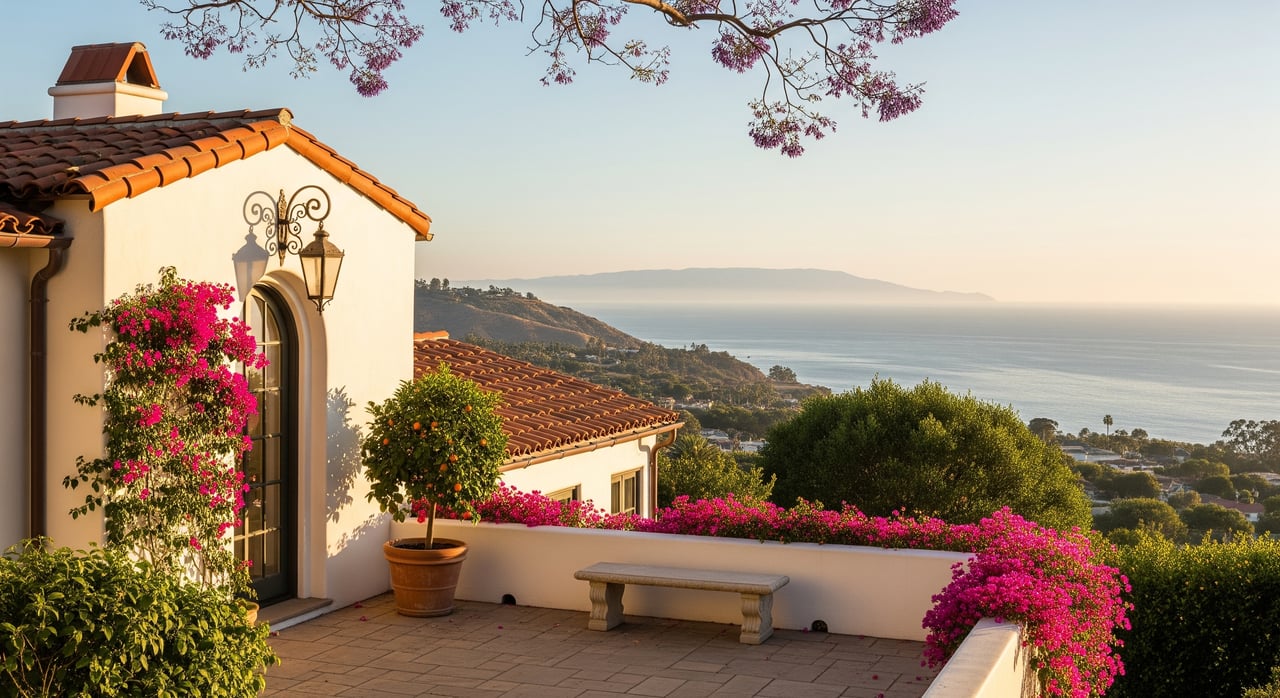
Santa Barbara Housing Seasonality & Timing Insights
November 21, 2025
November 21, 2025
Wondering if you should list this spring or wait until fall? In Santa Barbara, timing matters, but it doesn’t work the same in every neighborhood or price point. You want a clear, local view so you can plan with confidence and avoid chasing headlines. In this guide, you’ll learn how seasonality typically plays out across Santa Barbara, what that means for pricing and days on market, and how to time your move by neighborhood. Let’s dive in.
Santa Barbara follows a familiar statewide rhythm. New listings and buyer activity rise in late winter, peak in spring and early summer, then ease going into late fall and winter. That often translates to faster sales and more competitive offers in March through June.
Off-season months still move homes, but inventory is thinner and days on market can stretch. Buyers who stay active after Thanksgiving through January may face less competition, yet they have fewer choices.
Local factors adjust the pattern. The mild climate keeps interest steady year-round, but tourism and major events bring more out-of-area buyers in spring and summer. The luxury and second-home segment also follows travel cycles, which can shift timing for high-end listings.
You typically see the largest pool of buyers and the broadest selection of listings. Well-prepared homes can sell faster and closer to list price. If you are selling, aim to launch late winter into early spring to meet peak demand.
Activity can stay healthy but starts to normalize as families settle into school schedules. Pricing needs to be more precise. If you want less direct competition from new listings, late summer and early fall can work with the right staging and a realistic strategy.
Inventory is often at its lowest, and days on market can lengthen. Buyers in this window tend to be serious. If you are purchasing, you may find more negotiating room, but you will have a smaller set of homes to choose from.
Buyer profile includes urban professionals, downsizers, and investors seeking walkability and amenities. Prices range widely from condos to higher-end single-family homes. Seasonality generally tracks the citywide spring peak, with faster turnover during warmer months and major event periods.
Buyers often value convenience and access to schools. This area sits in the mid to upper price range for single-family homes. Listings commonly rise in late spring and early summer as families time moves around school calendars.
Demand is steady among long-term locals and buyers who appreciate renovated craftsman and period homes. Prices tend to run mid to high. Limited supply means short bursts of competition when a well-presented home hits the market, especially in spring.
Many buyers prioritize coastal lifestyle and ocean proximity. Pricing is moderate to high relative to the city. Interest is consistent all year, though showings and offers often peak in spring and early summer.
Buyers seek hillside views, privacy, and larger lots, with some out-of-area interest. Pricing trends toward the upper tier. Activity can align with when qualified buyers are in town in spring and fall, and marketing periods can run longer than city averages.
This luxury enclave attracts affluent local and out-of-area buyers, including second-home purchasers. The market is high-end with smaller sample sizes. Seasonality is less pronounced month to month, but late winter to spring and late summer often see increased activity tied to travel schedules.
Buyers are typically high net worth and focused on large parcels, privacy, and equestrian amenities. It is a luxury market with very limited inventory. Traditional seasonality is moderated, so the arrival of even a few new listings can shift conditions quickly.
Buyers want small-town coastal living within commuting distance to Santa Barbara. These areas are generally more affordable than nearby luxury enclaves. Spring and summer bring active interest, and vacation-home buyers can add to momentum in warm months.
Goleta attracts families and tech or UC employees, while Isla Vista centers on the UCSB rental market. Prices are mixed, with abundant rentals near the university. Sales follow the broader Santa Barbara pattern, while rental demand spikes in late summer as students prepare for the academic year.
Track a few core metrics on a monthly basis to understand timing:
Look at a rolling three to five year window to smooth out one-off spikes. For a true seasonality picture, consider month-of-year averages that highlight recurring peaks and dips.
For more negotiating leverage, focus on late fall and winter when competition is lighter. Be patient about limited choices.
If buying in spring, have financing pre-approval ready and be prepared for quick inspection timelines. Quality homes move fast.
Adjust to micro-markets. On the Mesa or Downtown, be ready to act decisively. In hillside or luxury areas, expect longer timelines and use that window for thorough due diligence.
Santa Barbara supports year-round sales, but spring and early summer bring the broadest selection and most buyer activity. Your best timing depends on your neighborhood, price point, and goals. With a clear read on local rhythms and the right prep, you can capture strong pricing in peak months or secure better terms in the off-season.
If you want a neighborhood-specific plan, a pricing read, or help aligning renovations with your target list date, reach out to Caleb Overton. You will get straightforward guidance grounded in local data and practical construction insight.
Stay up to date on the latest real estate trends.

Etiam non quam lacus suspendisse faucibus interdum. Orci ac auctor augue mauris augue neque. Bibendum at varius vel pharetra. Viverra orci sagittis eu volutpat.