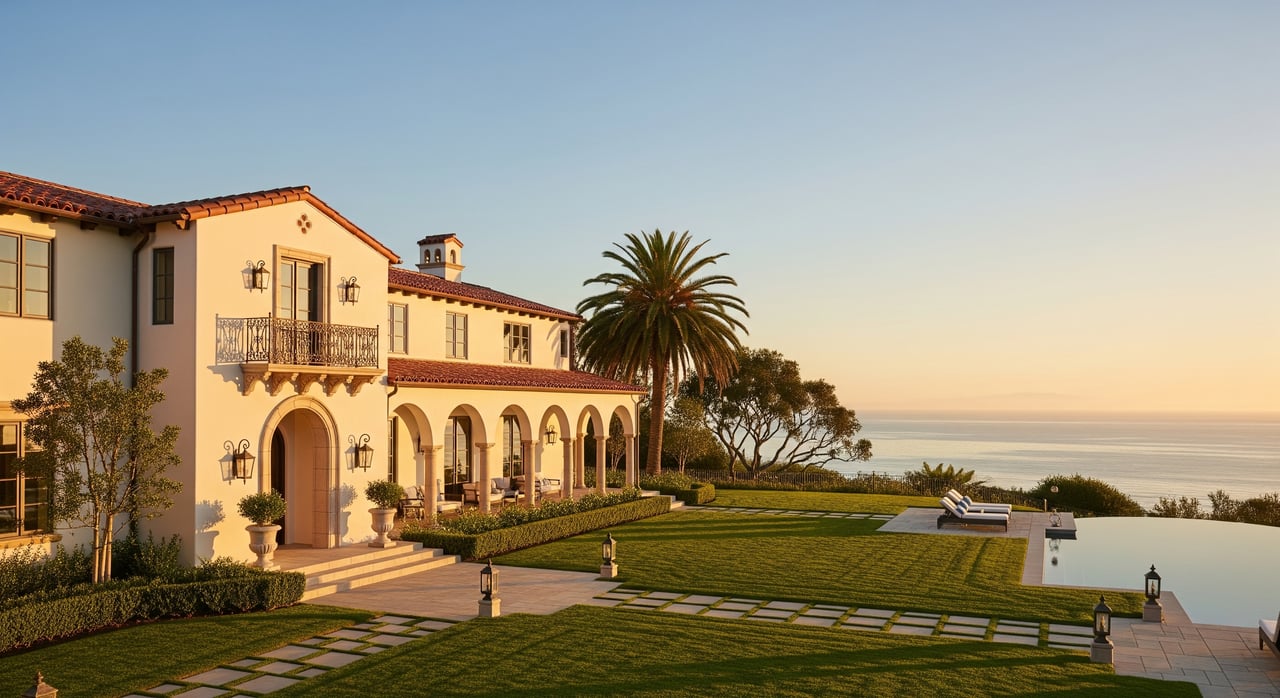
How Home Appraisals Work in Hope Ranch, Santa Barbara
January 15, 2026
January 15, 2026
Are you wondering how an appraiser will value a Hope Ranch property with private beach access, equestrian facilities, and acres of landscaped grounds? You are not alone. Hope Ranch homes are unique, and low sales volume can make pricing feel uncertain. In this guide, you will learn how appraisals work here, what appraisers look for, and the steps you can take to reduce surprises. Let’s dive in.
Hope Ranch is a low-turnover, high-value market with larger parcels, custom construction, and amenities that vary widely. That means fewer close sales to compare, which increases reliance on appraiser judgment. Lenders often apply extra scrutiny to luxury homes, especially when jumbo financing is involved. Appraisers typically expand the comparable search area and time frame, and they may lean more on alternative valuation methods when data are thin.
To keep your valuation on track, documentation is key. Appraisers look closely at permits, recorded access rights, and the practical utility of acreage. The more you can verify upfront, the smoother your appraisal tends to go.
Most appraisals are ordered by a lender to support a mortgage decision, with the goal of estimating market value. Sellers sometimes order a pre-listing appraisal to surface issues early. You might also see appraisals for estate, divorce, or tax purposes, which can have different reporting standards. Appraisers follow the Uniform Standards of Professional Appraisal Practice and must comply with California state rules and licensing requirements.
In luxury segments, appraisers typically reconcile all applicable approaches, placing most weight on the sales comparison when adequate market data exist.
Hope Ranch has limited, high-end sales. Appraisers often:
In Hope Ranch, a few levers often drive large adjustments:
Appraisers review zoning and permitted uses, which shape what you can build and how you can use the property. They consider the Local Coastal Program for bluff-side homes and any recorded easements or deed restrictions that affect access or development. Clear proof of beach access or trail rights is particularly important.
Expect the appraiser to note flood exposure, sea-level rise considerations, and bluff stability where relevant. Sewer vs. septic and municipal water vs. well supply can influence perceived utility and ongoing costs. For equestrian facilities, condition and code compliance matter. The appraiser will document whether arenas, barns, and related systems are safe, functional, and typical for the market.
Appraisers measure stall count, barn construction and systems, arena dimensions and footing, paddocks and turnout layout, fencing types, watering and drainage, and nearby bridle path access. When similar equestrian sales exist, the appraiser will use comparative adjustments. If not, the cost approach and paired-sales logic help capture the contributory value of these features. Maintenance records and permits can increase confidence in value.
Access type matters. Deeded private access generally carries more weight than community-managed or informal trail access. Appraisers look for recorded easements, association documents, and any coastal permits that affect shoreline use. Coastal hazards like bluff erosion, required setbacks, or seawall permitting can complicate value and may impact insurability and buyer demand.
Total acres are not the same as usable acres. Appraisers distinguish flat, irrigated, fenced, or buildable land from steep slopes or protected habitat. Potential for additional building sites, if allowed, can increase value. Acres dedicated to equestrian or agricultural use are typically evaluated within that specific buyer segment.
Assemble a packet that makes it easy for the appraiser to verify what matters:
Most lender-ordered appraisals are scheduled and completed in 1 to 3 weeks. Complex coastal or equestrian estates may take longer. Fees for high-value, custom properties are typically higher than average and vary with scope. Ask for quotes from local professionals. Look for a state-licensed or certified appraiser with proven experience in Santa Barbara County luxury, coastal, and equestrian properties, and verify their license in the state database.
When very few closed sales match your property, appraisers may reach to adjacent areas and older sales, then apply larger adjustments. You can help by supplying reasoned market evidence, such as functionally similar sales nearby and a pre-listing appraisal to set expectations.
View quality, private access, and equestrian features often require sizable adjustments. Reduce the appraisal gap risk by documenting how the market values these features. Provide multiple supporting sales and concise notes on the differences.
Unpermitted barns or outbuildings can be discounted or treated as personal property. When possible, resolve permits in advance or provide engineering and contractor reports that confirm safe, replaceable construction.
Flood zones, bluff erosion, and insurance availability can depress value. Offer current flood documentation, records of mitigation work and permits, and examples of insurability to demonstrate marketability.
Private beach or riding club memberships vary in transferability and cost. Provide clear documentation on rights, fees, and whether memberships typically convey with Hope Ranch homes so the appraiser can weigh the amenity accurately.
In Hope Ranch, every property tells a different story. The right appraisal captures not just square footage, but also access rights, usable land, equestrian capability, and coastal factors that shape real-world demand. When you prepare strong documentation and work with local experts, you improve clarity and reduce surprises.
If you are planning to buy or sell in Hope Ranch and want a clear plan for valuation, reach out to Caleb Overton for local guidance.
Stay up to date on the latest real estate trends.


Etiam non quam lacus suspendisse faucibus interdum. Orci ac auctor augue mauris augue neque. Bibendum at varius vel pharetra. Viverra orci sagittis eu volutpat.